
Biennale dell’Incisione Italiana Contemporanea - XI edition (2022)
A New Format for the Campobasso Biennale
The XI edition of the BIIC consolidated Maestro Fratianni’s twenty years of work, expanding and developing it by introducing, thanks to the collaboration with Narrativo – Geostorie inclusive, an innovative communication concept aimed at making engraving known as an autonomous artistic language, alive and in dialogue with the other visual arts, as well as at reaching new audience segments (especially among the young) chiefly through the use of numerous digital tools.
The BIIC, thus renewed, gained a distinctive visual identity, a richer visiting experience with particular attention to educational aspects and inclusion, and aims to build ever more partnerships with other public and private bodies to open the Biennale to the city and its territory; finally, it consolidates the Biennale’s and Molise’s international standing, already achieved in previous editions.
Artists and works. The best of Italian engraving production
The XI Biennale exhibited works by 58 invited artists: the Scientific Committee selected some of the leading exponents of contemporary Italian engraving, including a group of 8 young engravers identified at the various national Academies of Fine Arts, a testament to the BIIC’s particular attention to young generations of artists.
Each participant exhibited two works, for a total of approximately 110 works on display in two rooms of the GIL building in Campobasso.
Arion Bajrami
Augusto Bellanca
Alessandra Bilotta
Maurizio Boiani
Filippo Boni
Isabella Branella
Agnese Brusca
Riccardo Bucella
Rita Callegari
Gerardo Cosenza
Mara Cozzolino
Laura Cristinzio
Giampaolo Dal Pra
Marta Di Donna
Magda Di Fraia
Franco Di Pede
Francesco Giordano
Luca Giuliano
Luigi Lapetina
Donato Linzalata
Gabriella Locci
Veronica Longo
Felice Lovisco
Umberto Maggio
Giovanni Mambelli
Claudia Tonia
Manganiello
Vittorio Manno
Michela Mascarucci
Elio Mazzella
Elena Monaco
Johny Hycinte Ngbwa
Impero Nigiani
Maria Antonietta Onida
Roberta Pancera
Elisa Pellizzari
Nella Piantà
Miriana Pino
Letizia Rigucci
Angelo Rizzelli
Alberto Rocco
Maurizio Romani
Simona Saladino
Daniela Savini
Irene Scarchilli
Gianfranco Schialvino
Francesco Sciaccaluga
Aniello Scotto
Andrea Serafini
Lucio Statti
Laura Stor
Michele Stragliati
Corina Surdu
Ginny Sykes
Pietro Paolo Tarasco
Nino Tricarico
Mario Vasta
Gianni Verna
Luigi Zuccarello
Tribute to Carlo Carrà. A great retrospective
Within the XI/22 Biennale, a Tribute to Carlo Carrà. For the first time, all 111 engravings made by Carlo Carrà (Quargnento, 11 February 1881 – Milan, 13 April 1966) and held by the Archivio Carrà in Milan were put on display.
Carrà was one of the most important and authoritative Italian painters of the twentieth century, who took a leading role across numerous painting movements from the 1910s to the 1960s. In 16 years, he founded or took part in no fewer than 4 of the most important movements in twentieth-century Italian art: in 1910 he signed the Futurist Manifesto; in 1916, after meeting Giorgio De Chirico, he turned towards metaphysical painting; in 1919 he led the “Valori Plastici” group; in 1926 he took part in the “Novecento” group; finally, in 1933, he signed Mario Sironi’s Manifesto of Mural Painting. He taught at the Accademia di Brera from 1941 to 1951. This tribute is a comprehensive account of Carrà’s entire career as an engraver: in 1924 he turned systematically to engraving (almost entirely etchings), adopting a spare, hard mark capable of expressing his world of figures and places removed from time. In 1927-1928 he produced lithographs and etchings marked by a more painterly language. Finally, in 1944, after a sixteen-year gap since his last engravings, he returned to graphic art, this time devoting himself to lithography, both in black and white and in colour. This exceptional presence, made possible thanks to the generosity of the Archivio Carrà, was a major draw for the Biennale, bringing living artists into dialogue with the great artist of the past.
Education
At the wish of the Associazione Domenico Fratianni, particular attention was paid to education, inaugurating a space envisaged from the outset as a permanent feature of future Biennials: the Bottega BIIC, a workshop of playful experimentation with the engraving arts for children and adults, in whose evocative atmosphere — recalling an eighteenth-century engraver’s workshop — a variety of playful activities are on offer, teaching observation, reading and understanding of the works on display. The Bottega BIIC was designed according to scientific criteria ensuring inclusivity, including for people with cognitive disabilities, and some activities are also accessible to blind and deaf visitors. Most activities could be enjoyed independently, but a calendar of activities and guided tours open to local communities was also provided, with trained educational staff also available for school groups wishing to book a visit to the BIIC. The Bottega BIIC was entirely free for everyone.
B•SIDE. 7 events for 7 weekends
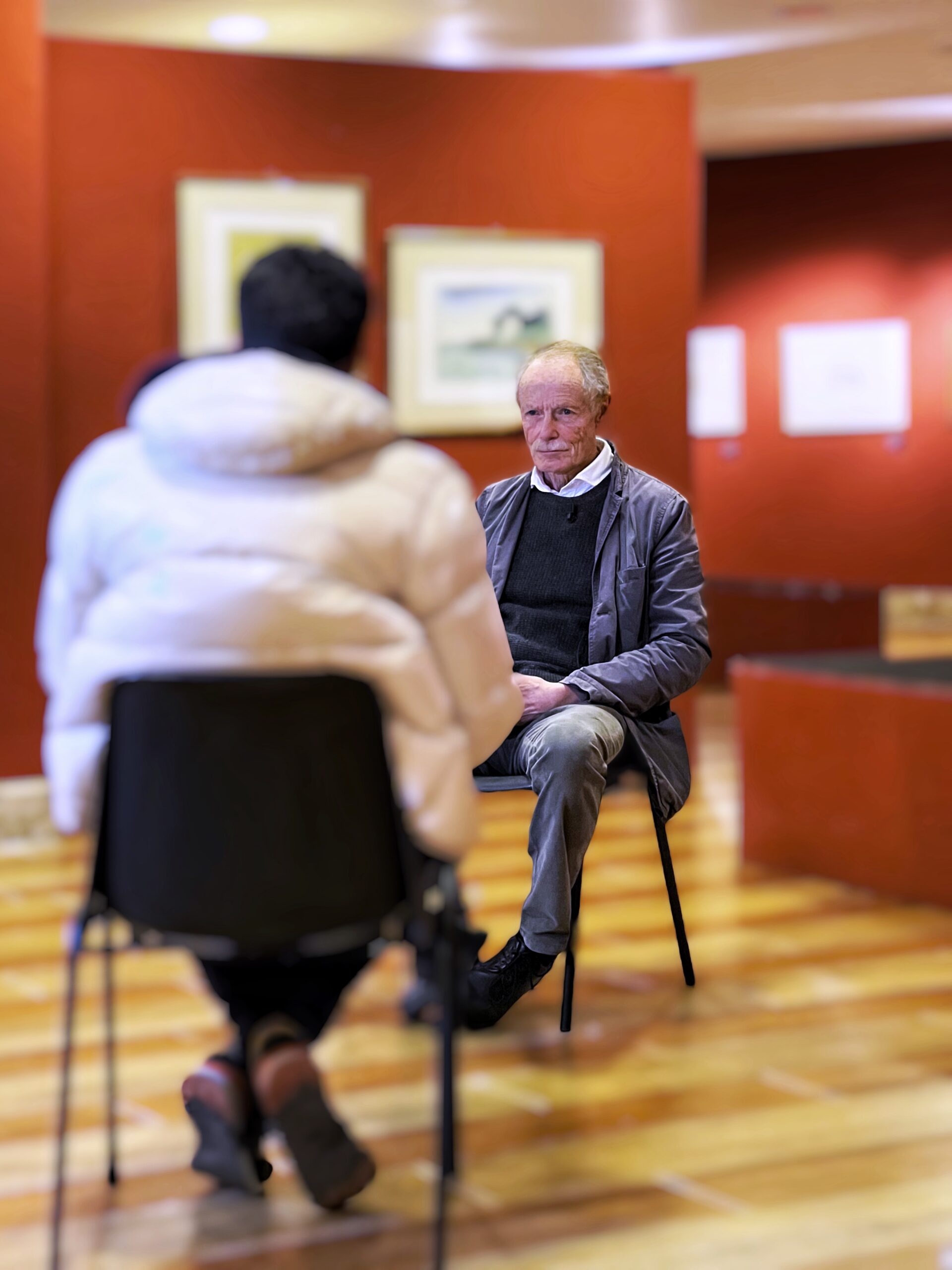
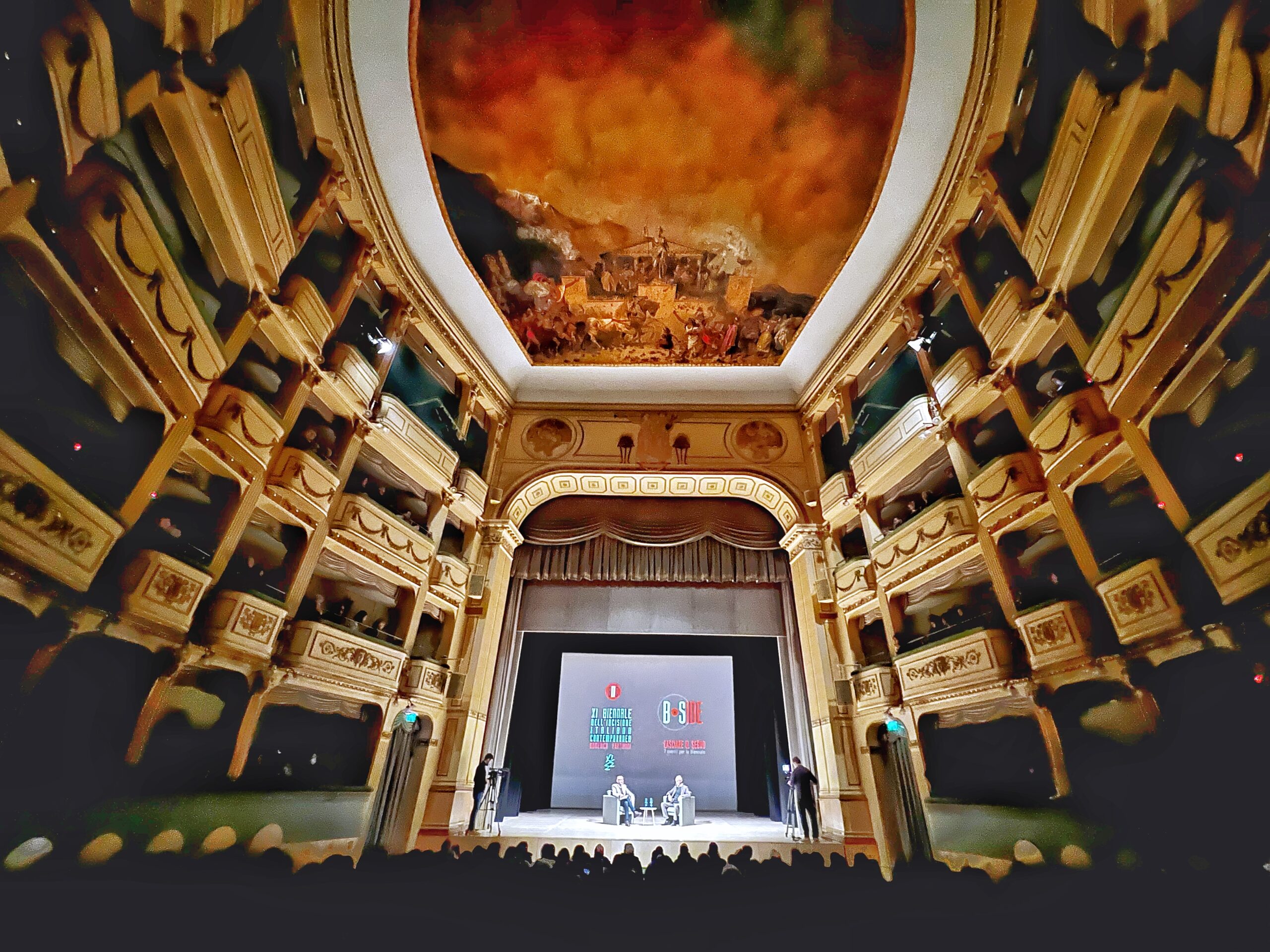
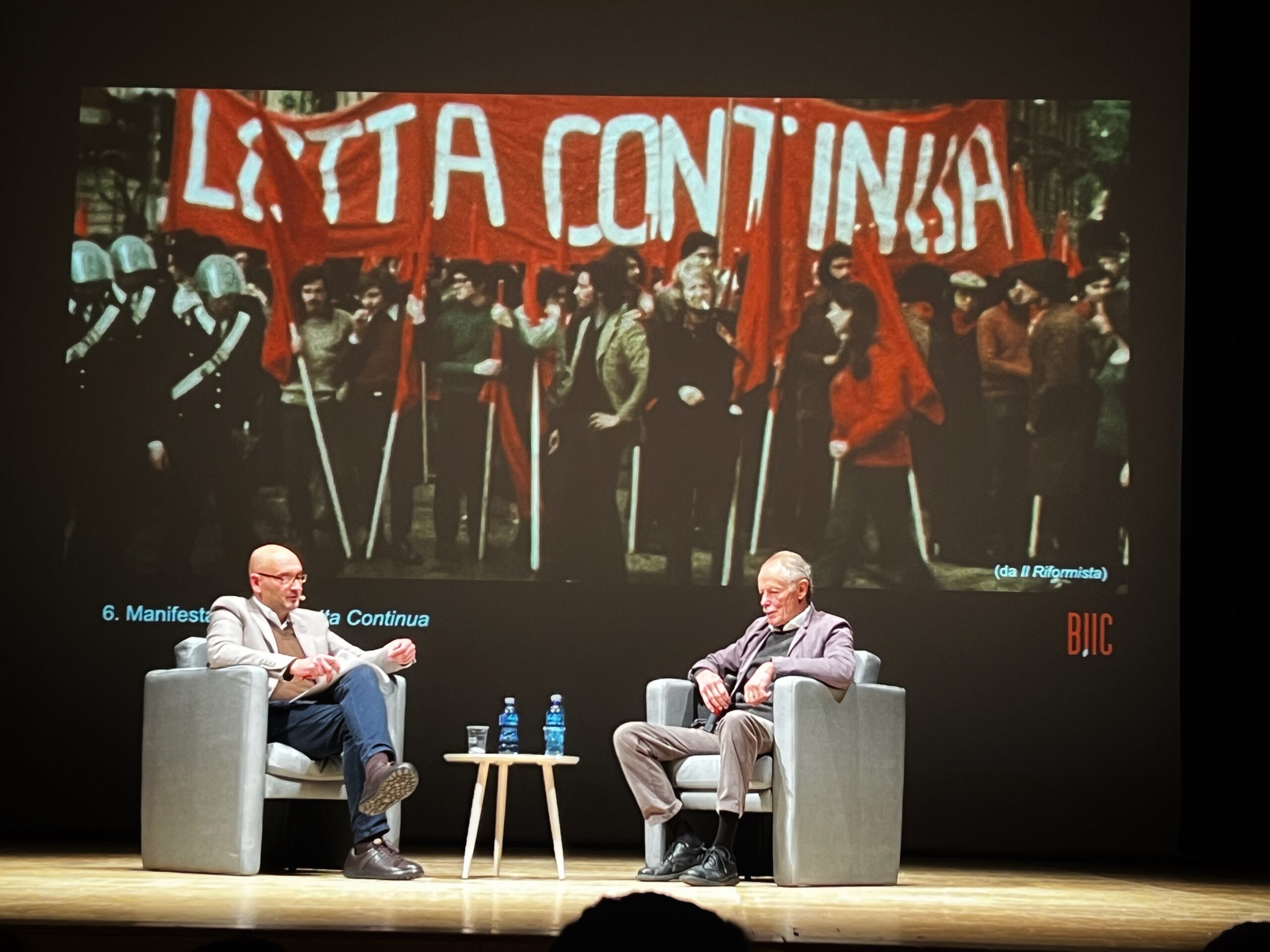
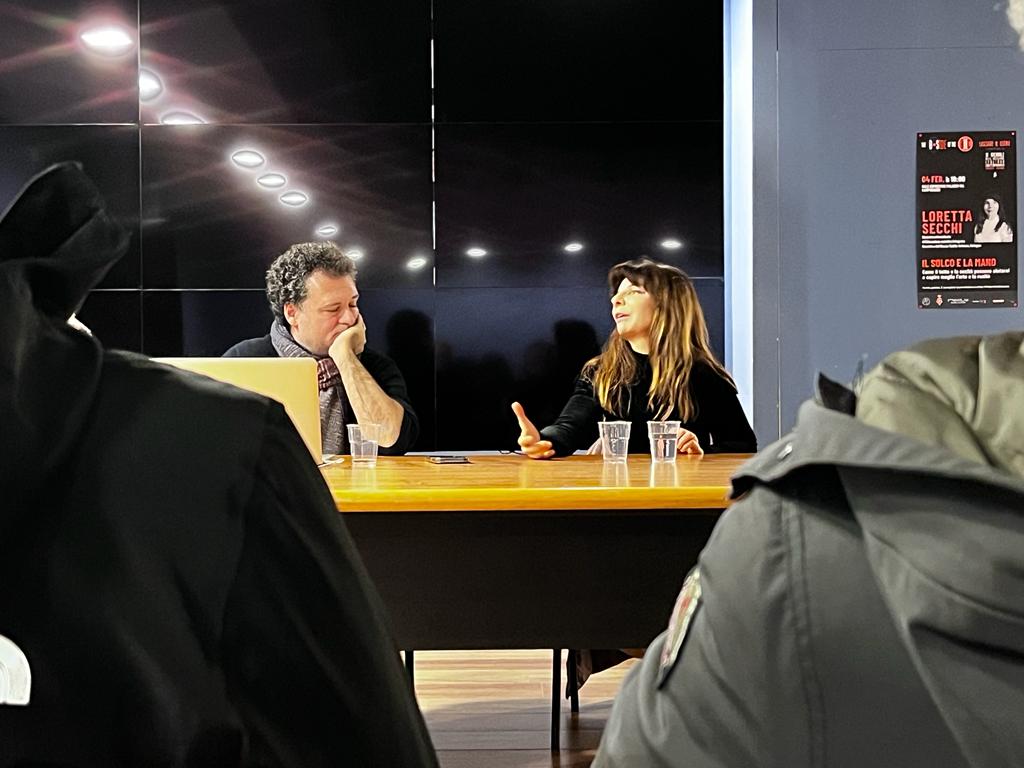
Engraving is not just for looking at: it must also be told, lived, shared. This is how B-Side was born, the hidden side of the Biennale, a programme of outreach and poetic events accompanying the exhibition. The Association builds a cultural infrastructure involving public institutions, the third sector, schools, businesses, families and the media — an artistic ecosystem that makes Molise a laboratory for experimentation and cultural sharing.
Catalogue
The artistic direction of the XI Biennale was curated by Prof. Floriano De Santi, an eminent art historian and critic who passed away on 21 December 2023 at the age of 79. De Santi, a figure long dear to the late Maestro Fratianni, edited the two catalogues of the eleventh edition, dedicated to the exhibiting artists and to Carlo Carrà’s engraved work.
The catalogues are published by Olisterno Editore of Naples.
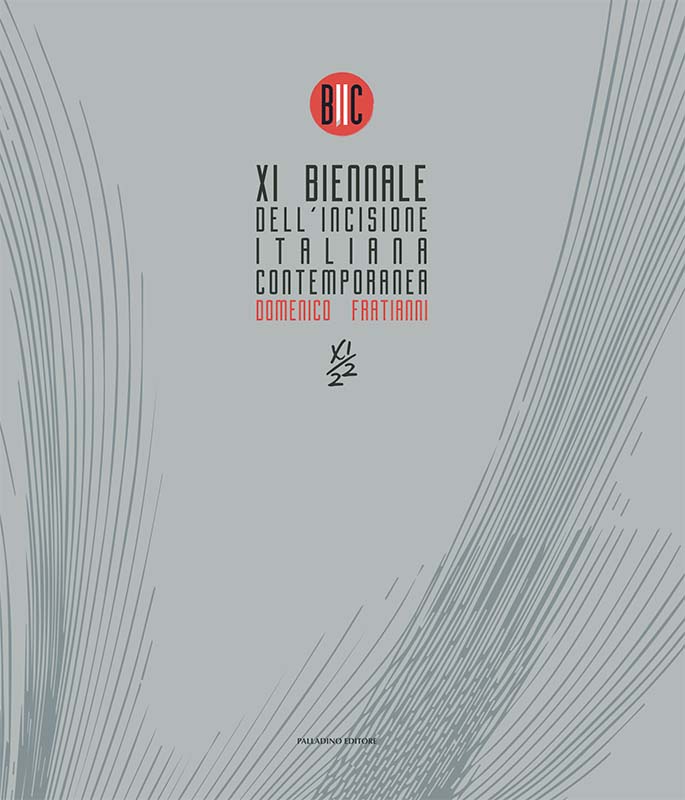
A cura di Floriano De Santi e Annalisa Fratianni
Testi critici di Maria Antonella Fusco, Francesco D’Episcopo, Floriano De Santi, Cecilia Casadei, Maria Rosaria Di Virgilio, Giuliana Valenza.
Pp. 166. Formato 23 x 28. Rilegatura in brossura filo refe.
€ 25
ISBN: 978-88-6651-386-5
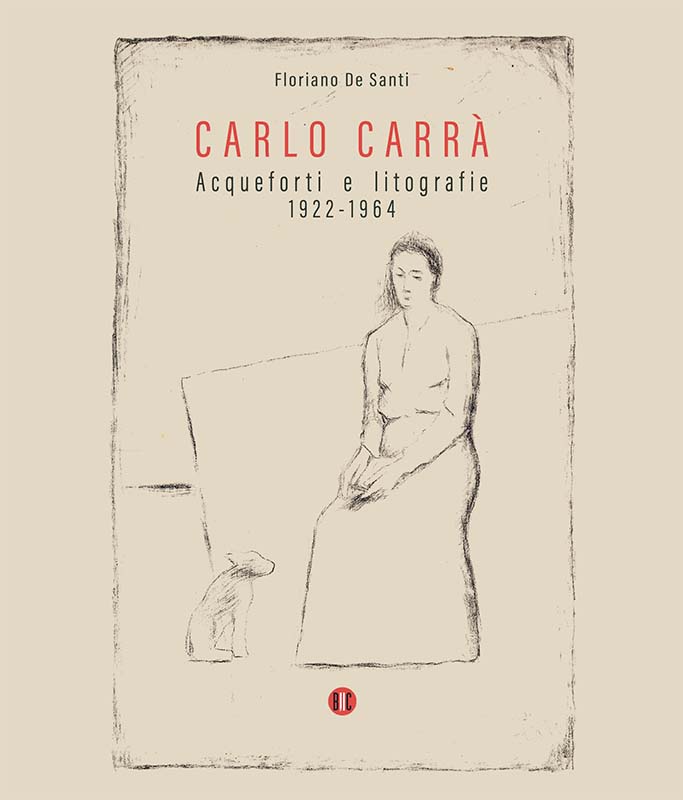
A cura di Floriano De Santi
Con un testo critico di Floriano De Santi Apparati bio-bibliografici di Massimo Carrà
Pp. 202. Formato 23 x 28. Rilegatura in brossura filo refe.
€ 20
ISBN: 978-88-6651-387-2